

A gearbox is a crucial component in various industrial applications, responsible for transmitting power and adjusting speed between the engine and the driven machinery. However, like any mechanical device, gearboxes are prone to failures over time. As a seasoned gearbox supplier, I've encountered numerous cases of gearbox malfunctions and have gained valuable insights into diagnosing these issues effectively. In this blog, I'll share some essential tips and techniques on how to diagnose a gearbox failure.
Understanding the Basics of Gearbox Operation
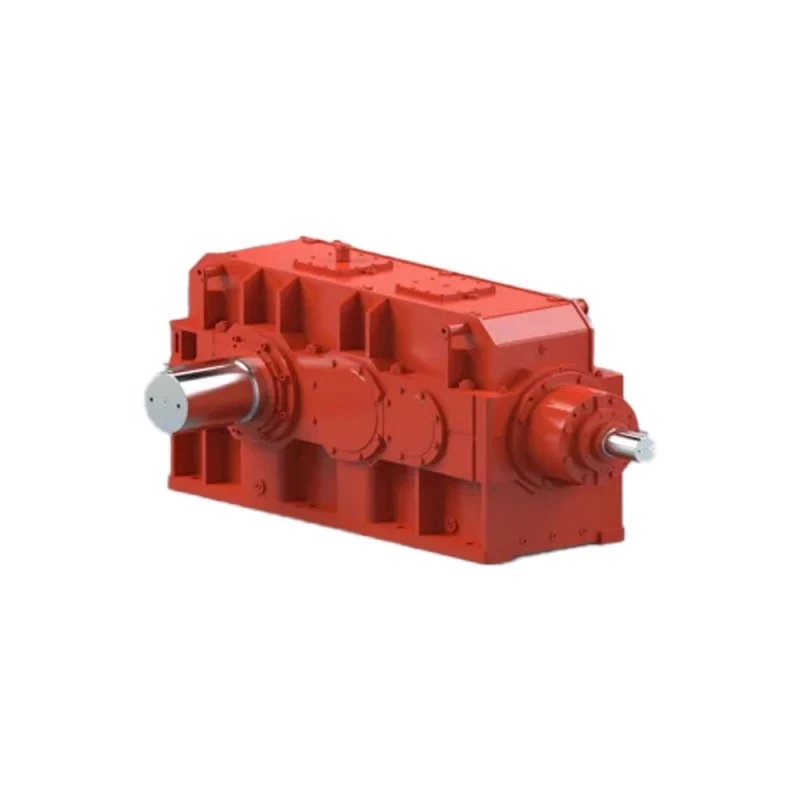
Before delving into the diagnostic process, it's essential to have a basic understanding of how a gearbox works. A gearbox consists of multiple gears, shafts, bearings, and a housing. The gears mesh together to transmit power and change the speed and torque of the input shaft. Bearings support the shafts and reduce friction, while the housing protects the internal components and provides a mounting point for the gearbox.
Signs of Gearbox Failure
The first step in diagnosing a gearbox failure is to identify the signs and symptoms. Here are some common indicators that your gearbox may be experiencing problems:
Unusual Noises
One of the most obvious signs of a gearbox failure is the presence of unusual noises. These noises can range from a mild whining or grinding sound to a loud clunking or banging noise. Whining noises are often associated with worn gears or bearings, while grinding noises may indicate misaligned gears or excessive wear. Clunking or banging noises can be a sign of loose or damaged components within the gearbox.
Vibration
Excessive vibration is another common symptom of gearbox failure. Vibration can be caused by a variety of factors, including unbalanced gears, worn bearings, or misaligned shafts. If you notice excessive vibration in your gearbox, it's important to address the issue promptly to prevent further damage.
Leaking Oil
A leaking gearbox is a clear indication of a problem. Oil leaks can be caused by damaged seals, gaskets, or housing. If you notice oil pooling around the gearbox or dripping from the housing, it's important to check the seals and gaskets for damage and replace them if necessary.
Overheating
Overheating is a serious issue that can lead to significant damage to the gearbox. Overheating can be caused by a variety of factors, including insufficient lubrication, excessive load, or a malfunctioning cooling system. If you notice that your gearbox is running hot, it's important to check the oil level and quality, as well as the cooling system, to ensure that they are functioning properly.
Decreased Performance
If you notice a decrease in the performance of your equipment, such as reduced speed, power, or efficiency, it could be a sign of a gearbox failure. A worn or damaged gearbox may not be able to transmit power effectively, resulting in decreased performance.
Diagnostic Techniques
Once you've identified the signs and symptoms of a gearbox failure, the next step is to use diagnostic techniques to determine the root cause of the problem. Here are some common diagnostic techniques used by gearbox experts:
Visual Inspection
A visual inspection is often the first step in diagnosing a gearbox failure. During a visual inspection, you'll look for signs of damage, wear, or misalignment on the external components of the gearbox, such as the housing, seals, gaskets, and shafts. You'll also check for any signs of oil leaks or contamination.

Oil Analysis
Oil analysis is a powerful diagnostic tool that can provide valuable information about the condition of the gearbox. By analyzing the oil sample, you can detect the presence of wear particles, contaminants, and other indicators of gearbox health. Oil analysis can also help you determine the appropriate time for oil changes and maintenance.
Vibration Analysis
Vibration analysis is another important diagnostic technique used to detect gearbox problems. By measuring the vibration levels of the gearbox, you can identify the source of the vibration and determine the severity of the problem. Vibration analysis can also help you detect early signs of wear and damage, allowing you to take preventive measures before the problem becomes more serious.
Noise Analysis
Noise analysis is similar to vibration analysis, but it focuses on the sound produced by the gearbox. By analyzing the noise levels and frequencies, you can identify the source of the noise and determine the type of problem. Noise analysis can also help you detect early signs of wear and damage, allowing you to take preventive measures before the problem becomes more serious.
Common Causes of Gearbox Failure
There are several common causes of gearbox failure, including:
Lack of Lubrication
Insufficient lubrication is one of the most common causes of gearbox failure. Without proper lubrication, the gears and bearings can wear out quickly, leading to increased friction, heat, and noise. It's important to ensure that the gearbox is properly lubricated at all times and that the oil is changed regularly according to the manufacturer's recommendations.
Overloading
Overloading the gearbox can cause excessive stress on the gears and bearings, leading to premature wear and failure. It's important to ensure that the gearbox is properly sized for the application and that it is not subjected to loads that exceed its rated capacity.
Misalignment
Misalignment of the shafts or gears can cause excessive wear and damage to the gearbox. Misalignment can be caused by improper installation, thermal expansion, or other factors. It's important to ensure that the gearbox is properly aligned during installation and that it is regularly checked for alignment during operation.
Contamination
Contamination of the gearbox oil can cause significant damage to the gears and bearings. Contamination can be caused by dirt, debris, water, or other foreign substances. It's important to ensure that the gearbox is properly sealed and that the oil is filtered regularly to prevent contamination.
Case Studies
To illustrate the diagnostic process, let's take a look at some real-world case studies:
Case Study 1: SEW FLENDER B4DV07 Vertical Shaft Gearbox
A customer reported that their SEW FLENDER B4DV07 Vertical Shaft Gearbox was making a loud whining noise. Upon visual inspection, we noticed that the oil level was low and that there were signs of oil leakage around the seals. We also performed an oil analysis, which revealed the presence of high levels of wear particles. Based on these findings, we determined that the gearbox was experiencing excessive wear due to lack of lubrication. We recommended replacing the seals, changing the oil, and performing a thorough inspection of the gears and bearings.
Case Study 2: SEW FH77 DRN112M4 Parallel Shaft Speed Reducer
A customer reported that their SEW FH77 DRN112M4 Parallel Shaft Speed Reducer was vibrating excessively. Upon vibration analysis, we determined that the vibration was caused by a misaligned shaft. We recommended realigning the shaft and performing a thorough inspection of the gears and bearings to ensure that there was no additional damage.
Case Study 3: SEW ML3PSF110 Parallel Shaft Gearbox
A customer reported that their SEW ML3PSF110 Parallel Shaft Gearbox was overheating. Upon inspection, we noticed that the cooling system was not functioning properly and that the oil level was low. We recommended repairing the cooling system, changing the oil, and performing a thorough inspection of the gears and bearings to ensure that there was no additional damage.
Conclusion
Diagnosing a gearbox failure requires a combination of knowledge, experience, and diagnostic tools. By understanding the signs and symptoms of gearbox failure, using diagnostic techniques to determine the root cause of the problem, and addressing the issue promptly, you can minimize downtime and prevent further damage to the gearbox. As a gearbox supplier, we're committed to providing our customers with high-quality gearboxes and expert support to help them keep their equipment running smoothly. If you're experiencing problems with your gearbox or need assistance with diagnosis and repair, please don't hesitate to contact us. We're here to help you find the right solution for your needs.
References
- Machinery's Handbook, 31st Edition
- Gearbox Design and Application, Second Edition
- Vibration Analysis for Machinery Fault Diagnosis